
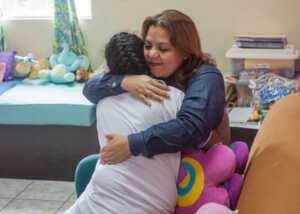
Trauma therapy
Many of the children we serve are traumatised, so we provide specialised trauma therapy to help them heal and live in a normal loving environment. We also train schools, authorities and churches in "trauma awareness", so they too can provide safe, nurturing environments where traumatised children can heal.
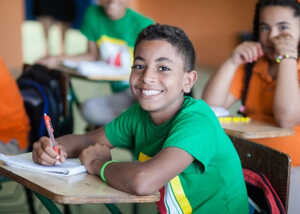
RESTORATIVE EDUCATION AND SCHOOLS
Most of the children we serve are years behind with their education and/or have learning issues caused by the trauma they have been through. We ensure that each child in our care is able to get their education back on track as part of their healing process. We also train teachers in trauma awareness and best practice to teach traumatised children. Kids Alive also runs four of its own schools in especially difficult regions.
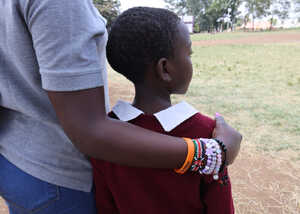
Justice THAT HEALS
We have programmes that pursue justice for child victims of abuse, which in turn help with the child’s healing as well as discourage further offences. Crucially, we also work with the courts, governments, child welfare officers and others to ensure that all processes are 'child-friendly', especially giving and collating evidence. This in turn results in far higher conviction rates.
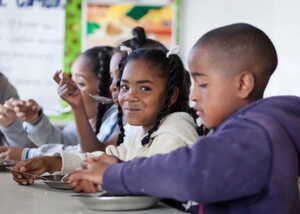
PROTECTIVE Care
There are times when a child is so vulnerable that the authorities ask us if we can provide short-term residential care for them. This is usually children who have been abused, abandoned or bereaved, urgently needing trauma care and a consistent, loving environment to heal. We will always seek to reintegrate them back into a family through fostering, adoption, independent living and more.
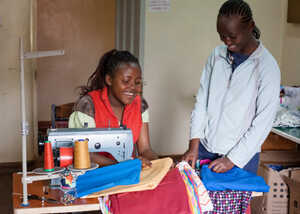
Independent Living Programmes
When a child in our care becomes a young adult, we want them to be able to stand on their own two feet, so we have designed some programmes to help them transition to full independence. In Kenya, for example, we provide vocational training, as well as mentorship and practical support, especially for those who go to university or vocational training.
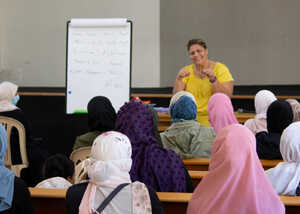
TRANSFORmING COMMUNITIES
At Kids Alive, we are passionate about promoting change in the communities and countries where we work to better serve vulnerable children. From working at local level with schools, churches, authorities, etc, to forging partnerships with governments to help transform their judicial and child welfare systems, our in-country teams are especially effective at forging partnerships to transform communities.
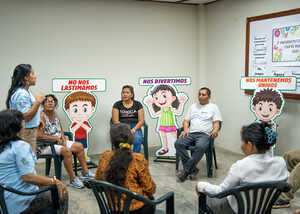
FAMILY STRENGTHENING
We believe passionately that all children should be raised in a loving family. A key part of our work is to strengthen vulnerable and broken families, including parent skills training, family preservation, education, job skills, therapy, and more. Quite often this can be for single parents, or where single grandparents are looking after the child.
 Updating page...