
Why Children Thrive in Families
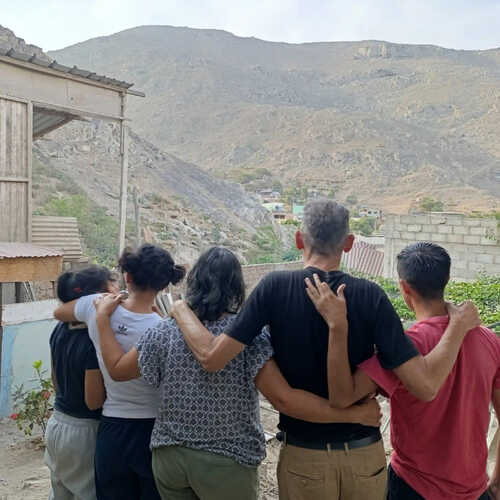
For many people, the idea of children entering protective care raises an important question: If a child is receiving excellent care in a safe environment, why would we ever want them to leave?
Imagine a child named Julia.
After experiencing abuse and neglect, Julia’s situation is reported to the authorities and she enters protective care. For the first time in a long time, she has regular meals, a safe place to sleep, trusted adults around her, counselling, education and the stability she needs to begin healing. Day by day, she begins to feel safe again. At first, it might seem that the goal is simple: keep Julia where she is safe. Yet from the very beginning, another question is being asked:
What family can Julia belong to?
At Kids Alive International, our goal is not simply to provide excellent care for children. We want children to experience the healing, belonging and security that family can provide. Whether this happens through reunification with their family of origin, living with extended family members or joining a foster family, we believe children thrive best when they can grow within safe, loving family relationships.
This belief shapes everything we do through Protective Care, Family Strengthening, Restorative Education and Justice Advocacy. Together, these programmes help children move towards what every child deserves: life in family and community, free from fear and violence.
Why Family Matters So Much
Every child needs a safe, loving and caring adult in their life in order to thrive. Life inevitably creates wounds. Healthy relationships with trusted adults help children heal, build confidence and develop a healthy sense of who they are. The best place for these relationships to grow is within a family.
Long before researchers studied child development and family relationships, Scripture revealed God’s heart for belonging. Psalm 68:6 tells us that “God sets the lonely in families.” Throughout the Bible, we see God’s desire for people to live in loving relationships where they are known, supported and cared for.
Research continues to show what many families already understand: children need more than physical safety. They need consistent relationships, people they can trust and a sense of belonging. Family is often where children learn some of life’s most important lessons. It is where they develop their identity, learn to trust, discover values and begin to build confidence.
Schools, churches, mentors and communities all play important roles, but family has a unique place in a child’s life. This is why Kids Alive focuses not only on helping children heal, but also on strengthening families.
Whenever it can be achieved safely, family-based care offers children something no programme, institution or service can fully replace:
The opportunity to belong.
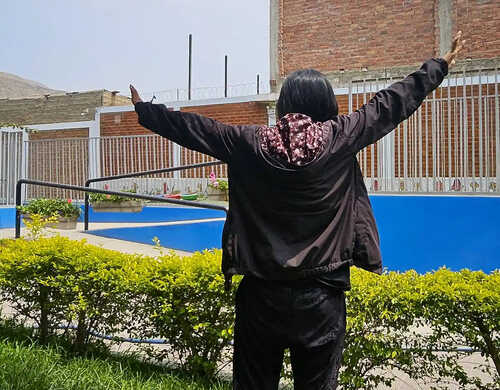
Julia's Journey Begins: A Season of Protective Care
For some children, remaining at home is not immediately safe. Many of the children in Kids Alive’s protective care programmes have experienced sexual abuse or have caregivers struggling with substance use, often alongside violence, neglect or other serious challenges. In these situations, protective care provides a Safe Haven where children can experience safety, stability and the support they need as they begin to heal.
At Kids Alive, this often includes:
- Caring adults who understand what the child has experienced
- Counselling and emotional support for the child and their family
- Restorative education
- Spiritual support
- Legal advocacy to help make the home safe
- Consistent relationships with trusted adults
For Julia, protective care gives her space to breathe again. She no longer has to focus every moment on simply getting through the day. Instead, she can begin to talk about what she has experienced, rebuild trust and discover that she is safe.
Scripture reminds us of God’s concern for vulnerable children: “Religion that God our Father accepts as pure and faultless is this: to look after orphans and widows in their distress...” James 1:27
Protective care reflects this calling. Yet it is important to understand that protective care is not intended to be the final destination. It is often the beginning of a bigger journey.
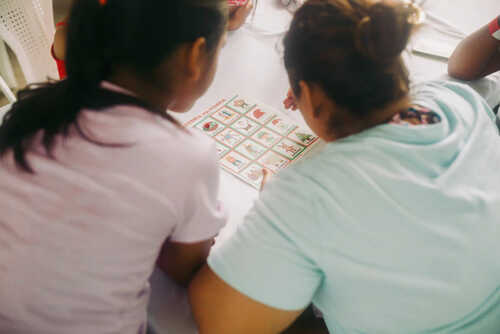
Looking Beyond the Child: Strengthening Families
While Julia is receiving care and support, another important process is taking place. Social workers, counsellors, carers and family members are working to understand what led to her entering care. They are asking difficult but necessary questions:
- What is happening with the legal case against her abuser?
- What support will Julia’s family need?
- Are there extended family members who could provide care?
- How can healthy relationships be rebuilt?
This is where Family Strengthening becomes important.
When abuse happens in the home, a child’s removal can be a devastating turning point for the whole family. For Julia’s mother, coming to terms with the reality that her daughter had been sexually abused brought grief, guilt and deep shame. Yet it also began a journey towards truth, healing and change.
Family Strengthening seeks to walk alongside Julia’s mother and family through that journey. Through counselling, parenting support and ongoing encouragement, she is given space to face difficult truths with honesty and courage — to understand what her daughter has experienced and to begin the process of healing. It also means working through what she wishes she had done differently and finding the strength to move forward. She can learn how to set healthy boundaries and become the safe, watchful parent her daughter needs. Restoration, where possible, is never rushed — and always begins with the child.
This work reflects God’s heart for restoration: “He will turn the hearts of the parents to their children, and the hearts of the children to their parents.” Malachi 4:6
When Reunification Is Not Possible
Not every story follows the same path. While reunification is often the preferred goal, there are situations where returning home is no longer safe or appropriate. In these cases, the question remains the same: How can this child experience the belonging and stability of family?
For some children, the answer is kinship care. A grandparent, aunt, uncle, older sibling, or other trusted relative may be able to provide a safe and loving home. Because children already have existing connections with these family members, kinship care can often help preserve important relationships, cultural identity and a sense of continuity.
For others, foster care becomes the best path forward. Foster families open their homes and hearts to children, providing the stability, consistency and care needed for healing and growth.
In some situations, adoption may ultimately become the permanent solution when reunification is no longer possible. While each pathway looks different, the goal remains the same: helping children experience life within the context of a safe, loving family.
At Kids Alive, we celebrate reunification whenever it can happen safely. We also celebrate kinship care, foster care and other family-based solutions that provide children with permanence and belonging.
Because the goal is not a particular placement; it is a child thriving within family and community.

Family reunification is rarely about fixing a single problem — even in cases of abuse. For Julia’s family, navigating the aftermath of abuse means supporting Julia as she heals, facing what has happened and rebuilding a family that has been deeply hurt. It means strengthening relationships, rebuilding trust, helping the family become more financially secure and developing the knowledge and skills needed to keep Julia safe in the future.
In many reunification cases at Kids Alive, families need support to understand the legal process, support the child through it and, where necessary, have legal representation in proceedings against the abuser. All of these things can be important in helping a child safely return to their family of origin.
This process is what child welfare professionals call reunification. And that work takes time. Reunification is not simply the moment when a child walks through the front door of their home again. It is a carefully guided process built on safety, accountability, healing and trust. The goal is not simply to return a child home. It is to make sure the home is ready to support the child’s long-term wellbeing.
Throughout this journey, children and families often need a whole community around them. Social workers, counsellors, pastors, teachers, carers and advocates all play important roles in helping families move towards restoration. When reunification can happen safely, it can be a beautiful picture of restoration — children and parents moving forward together with new skills, healthier relationships and renewed hope for the future.
A Resource for Families and Caregivers
Whether a child returns to their family, lives with relatives or joins a foster family, healthy relationships are at the heart of long-term healing and belonging.
At Kids Alive International, we believe that strengthening families is one of the most powerful ways to create lasting change for children. That’s why we created the Family Systems Therapy Guide — a free resource designed to help parents, carers, ministry leaders and families better understand the relationships and patterns that shape family life.
This guide can help families understand one another better, recognise unhealthy patterns and build stronger, healthier relationships.
Download the Family Systems Therapy Guide to learn more about building stronger families.
If you’re looking for a way to help children on this journey, consider becoming a Child Sponsor. Your support helps children experience the care, healing and relationships they need to feel safe and know that they belong.
You’re not just championing a child; you’re championing their story, helping them heal, belong and become all that God created them to be.
 Updating page...