
Understanding the heart behind safeguarding

Every week, Kids Alive International invites you into stories of restoration. We share about children beginning to heal after trauma, families finding hope through counselling and support, and communities coming together to protect children and help them thrive.
These stories matter.
Yet behind every story we share is another commitment that is just as important as the story itself.
At Kids Alive International, we are committed to safeguarding every child and family we serve.
While safeguarding is often associated with policies or procedures, at its heart safeguarding is about protecting the safety, dignity, privacy, and God-given worth of every person entrusted to our care. It shapes how we interact with children, how we welcome visitors onto our campuses, how we communicate with supporters, and even how we tell stories. Before we ever ask, "Will this story inspire someone?" we first ask, "Does this honour and protect the child?"
That question influences every decision we make.
What Does Safeguarding Mean?
Safeguarding refers to the intentional actions taken to promote the well-being of children and protect them from harm. At Kids Alive, that means creating environments where children are physically safe, emotionally secure, respected, and empowered to heal. It includes everything from carefully screening staff and volunteers to providing trauma-informed care, establishing healthy boundaries, protecting children's privacy, and ensuring every concern is taken seriously and acted upon. Safeguarding isn't one department or one policy—it is a culture that shapes every part of our ministry.
This commitment flows directly from what we believe about God and about children.
Psalm 127:3 reminds us, "Children are a heritage from the Lord, offspring a reward from him." Every child carries immeasurable value because they have been created in God's image. Their worth is not determined by what they have experienced, what has happened to them, or the circumstances that brought them into our care. They deserve to be treated with dignity simply because they are God's beloved creation.
That conviction shapes how we serve.
Protecting More Than Safety
When many people think about protecting children, they naturally think about protecting them from physical harm. That is certainly part of safeguarding. But true safeguarding goes much deeper.
It also means protecting a child's dignity.
Imagine if your family walked through one of the most painful seasons of your life. Perhaps your child experienced abuse. Maybe your family needed counselling, legal advocacy, or temporary support while working toward healing together. During that difficult season, a ministry faithfully came alongside your family.
Now imagine that photographs of your children and deeply personal details about your family's struggles were shared publicly across the internet. Years later, long after healing had begun, those images and stories remained online for anyone to discover.
Or imagine being the child who spent years rebuilding your life after trauma, only to find that the most painful chapter of your story had become the part of your identity that strangers knew best.
For many children, healing includes reclaiming ownership of their own story.
We believe that story belongs first to them.
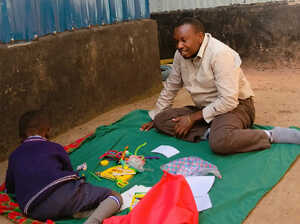
This commitment to safeguarding is why some aspects of Kids Alive may look different from other organisations.
You may also notice that some children are photographed from behind, their faces are intentionally obscured, or their names have been changed.
These choices aren't about hiding the real impact. They're about protecting the people at the heart of it.
Every photograph we publish and every story we tell is carefully considered through one guiding question: What best protects this child's safety, dignity, and future? Sometimes the most loving thing we can do is choose privacy over publicity.
Some of the children we serve are living in protective care after experiencing abuse, often within their own homes. Others are involved in active legal proceedings or are working toward safe reunification with their families. Publicly identifying these children could create unnecessary risks or compromise their privacy. For that reason, Kids Alive does not publicly use identifiable images of children in protective custody, and every communication is evaluated through the lens of protecting the child's safety, privacy, and dignity.
We never want a child's most difficult season to become their lifelong digital footprint.
Stories That HonoUr Instead of Exploit
None of this means stories shouldn't be shared.
In fact, stories remain one of the most powerful ways we invite others into God's work of restoration. They remind us that behind every statistic is a child with God-given potential, a family pursuing healing, and a community working toward Kingdom restoration.
But there is an important difference between telling a story that honours someone and telling a story that unintentionally defines them by the hardest chapter of their life.
At Kids Alive, we never want abuse, neglect, or hardship to become the defining characteristic of a child's identity. Those experiences may be part of their journey, but they are never the whole story.
Our storytelling seeks to reflect what God sees: children discovering their worth, families finding hope, and lives being transformed through His love. We want every story we tell to point beyond trauma toward healing, restoration, and the future God has prepared for each child.
Because while trauma may shape a child's story, it should never determine their identity.
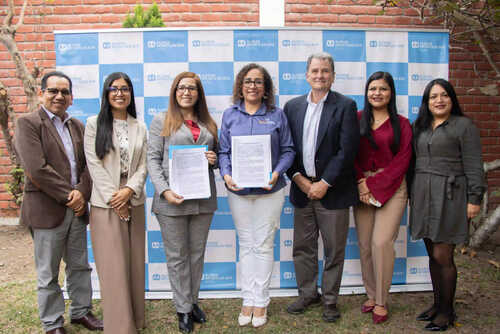
from Trauma to Triumph
Every child deserves more than protection.
They deserve the opportunity to heal.
At Kids Alive International, safeguarding is one of the ways we help make that healing possible. By protecting children's privacy, respecting their dignity, and creating environments where they can feel safe, we help lay the foundation for restoration to begin.
As children heal, they begin to discover something that trauma could never take away: their identity has never been defined by what happened to them.
Their identity has always been found in the God who created them, loves them, and calls them His own.
 Updating page...